
Proposal Photography Planning Guide
What to Look for When Hiring a Proposal Photographer in Chicago
A proposal happens in minutes. The images last a lifetime. Before you book anyone, there are eight things worth knowing — about editing, about lighting, about who actually shows up, and about what separates a photographer who plans with you from one who simply shows up and shoots. This guide helps you ask the right questions before you make the call.
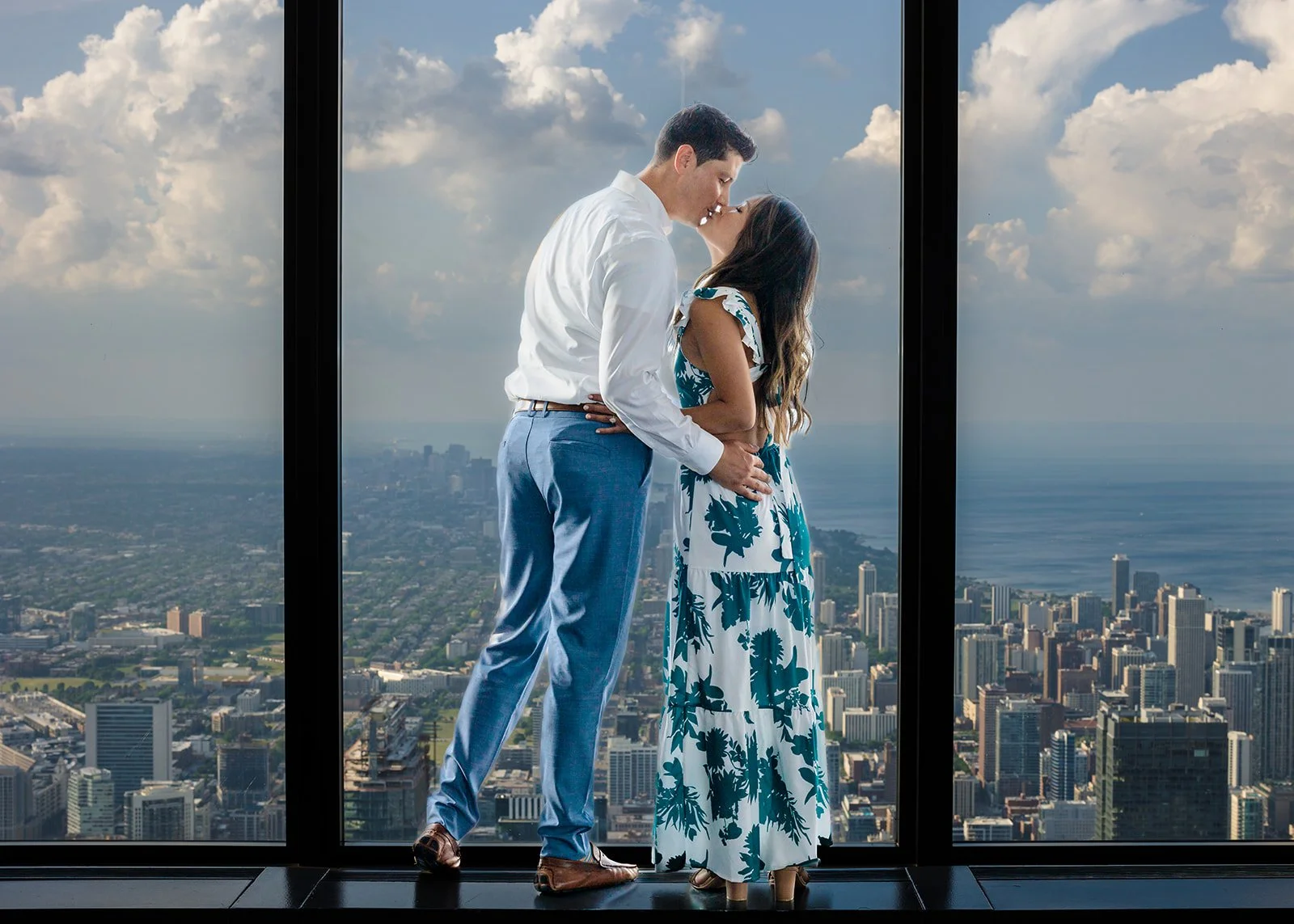
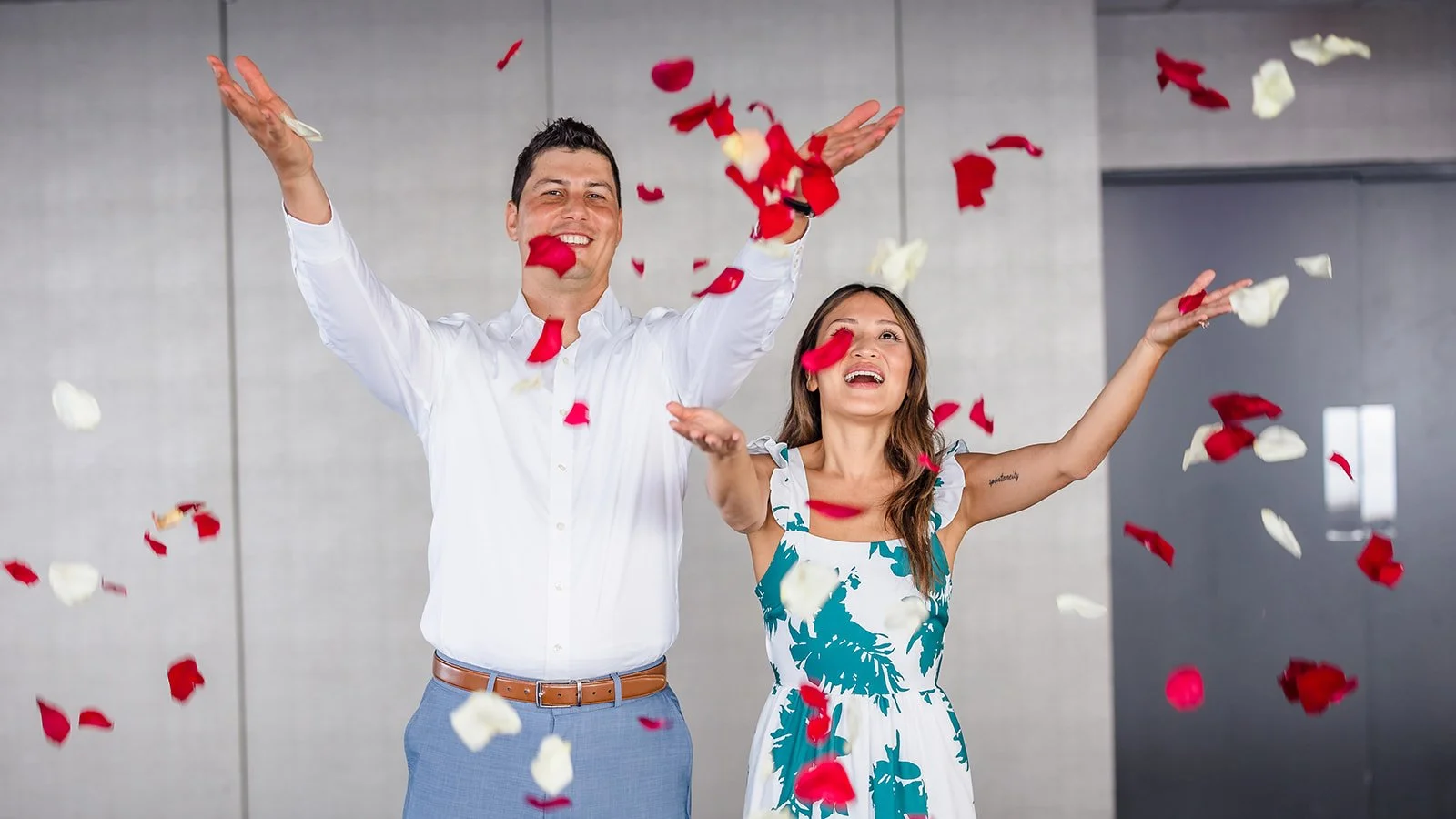
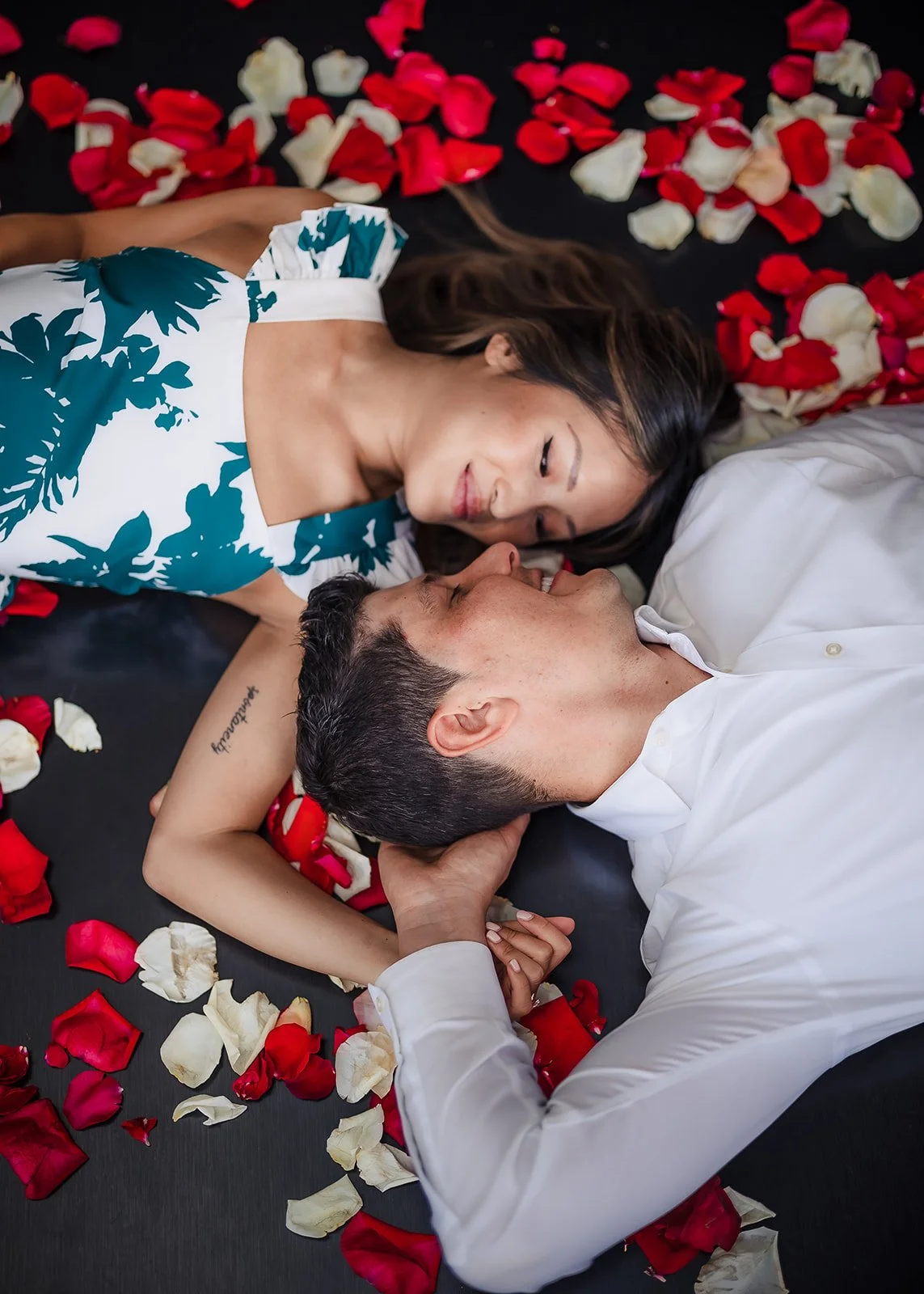
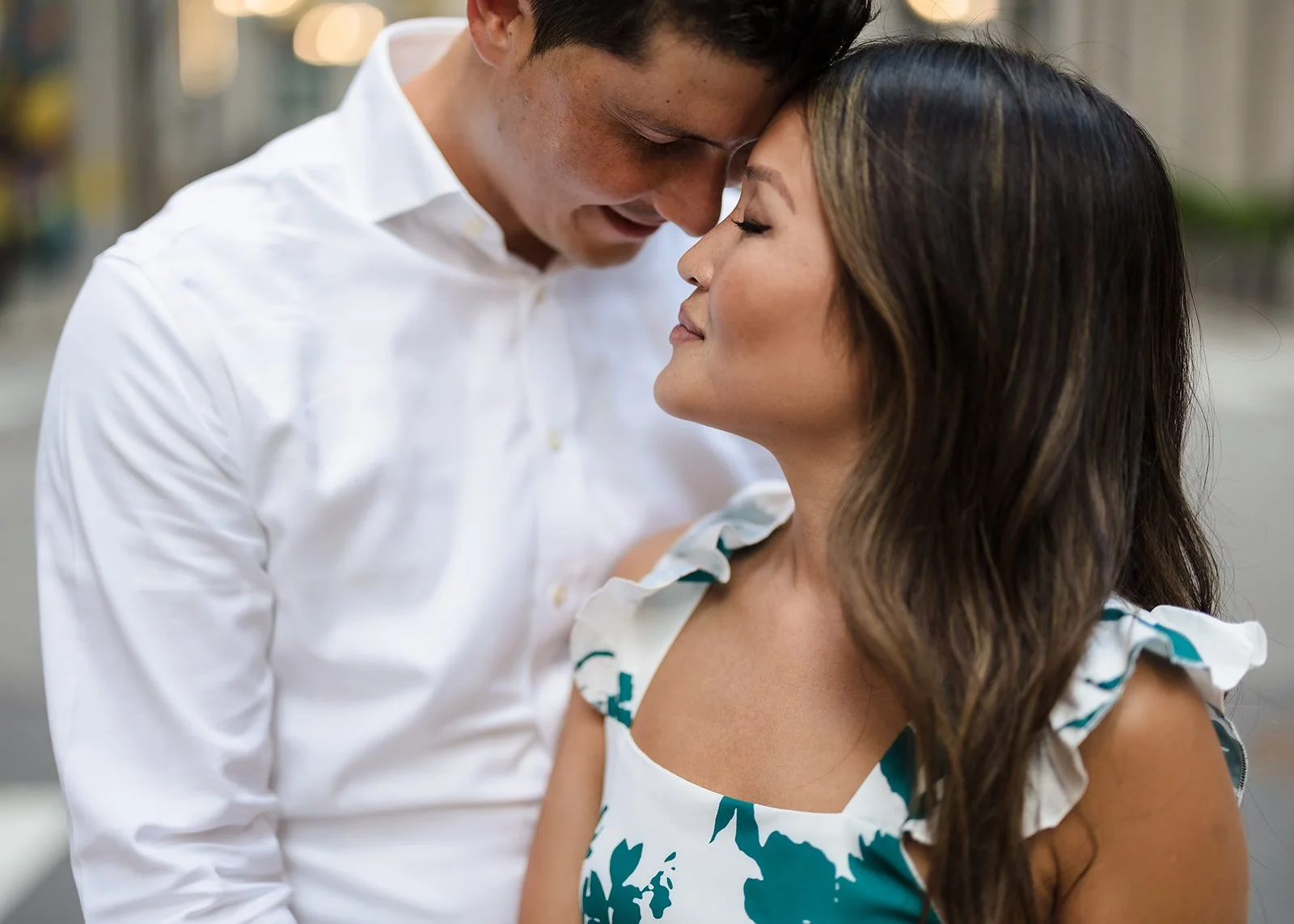
Will the photographer you see on the website be the one at your proposal?
It is a question most people forget to ask. Some proposal photography businesses operate with large teams, sometimes seven photographers or more. The person whose work drew you in may never actually photograph your session. An associate is assigned instead, often without you knowing until the day arrives.
Before booking anyone, ask directly: will you personally be there, or do you assign proposals to your team?
Are the images actually edited by a person?
This matters more than most people realize. High-volume photography studios increasingly rely on AI software to process entire galleries automatically. It keeps costs down and delivery fast. For portraits in a controlled studio, it can work reasonably well. For a proposal, where lighting is unpredictable, emotions are raw, and every frame is unrepeatable, automated editing produces uneven results. Colors drift. Skin tones shift from one photo to the next. The warmth of the moment gets flattened into something generic.
When you ask a photographer about their editing process, listen for specifics. Ask to see a full gallery, not just a curated set of highlights. A highlight reel is easy to make look good. A full gallery shows you exactly what you will actually receive.
What does the turnaround promise actually mean?
Same-day highlights and next-day full galleries sound appealing. And for a social media post that evening, fast delivery has obvious appeal. But there is only one way to hand you a fully edited gallery of 200 to 300 images before the next morning: a computer processed them, not a person.
24-hour photo delivery sounds convenient. So does fast food. There is a meaningful difference between overnight AI processing and hand-editing that takes a few extra days and produces images worth keeping for a lifetime.
Think about where these photos actually end up. Save-the-dates. Frames on walls. The slideshow at your rehearsal dinner. Your children asking about the night it happened. Those images deserve more than 18 minutes in a batch processor.
Can they produce great images in any lighting condition?
Golden hour photography is beautiful when conditions cooperate. But golden hour is roughly 90 minutes before sunset, and it only runs reliably from mid-April through mid-October in Chicago. What happens when your partner works late and the proposal needs to happen at 7pm in February? What does the work look like under mixed city lighting, inside a venue, or on an overcast afternoon?
Ask any photographer you are considering to show you work from those exact conditions. Not their best sunset session. Work from a real evening proposal in a real Chicago winter.
How do they handle the moments right after the yes?
The proposal itself lasts seconds. What follows can last an hour or more. Your partner just said yes. You are both overwhelmed. The photographer steps in, and suddenly two people running on pure adrenaline are expected to look natural in front of a camera.
How a photographer handles those minutes is what separates a good set of candid shots from a full collection worth keeping. Ask any photographer: what is your approach after the moment? How do you help people who are not comfortable being photographed?
Do they know your location before the day arrives?
Chicago's most popular proposal locations have real logistical considerations. Some require Chicago Park District permits. Others have crowd patterns that change dramatically by time of day, day of week, and season. Positioning for a hidden photographer at Millennium Park on a Saturday afternoon is a completely different challenge than a quiet Tuesday evening at the Riverwalk.
Ask your photographer: have you shot at this location before? Do you know what permits are required? How do you position yourself to stay hidden without being spotted?
What happens if something goes wrong?
Cameras malfunction. Photographers get sick. Weather shifts. Unexpected crowds descend on your chosen spot. These things happen, and a photographer worth hiring has thought through every one of them before your session day arrives.
Ask directly: what is your backup equipment situation? What is your rescheduling policy if something prevents you from being there? How do you handle a location that does not work on the day?
Have you seen a real gallery from start to finish?
Every photographer has a best-of reel. The images that made the cut, lit perfectly, expressions timed right. That is not what you will receive. What you will receive is the full gallery, 200 to 300 images spanning the hidden approach, the moment, the reaction, the portraits after. That full collection tells you far more than any curated sample ever could.
Before you book, ask to see a complete gallery from a recent proposal session. Look for consistency across the whole set. Color, tone, skin tones, shadow detail. If the quality holds from frame one to frame three hundred, you are looking at someone who takes the work seriously.
Plan Your Proposal
Ready to start planning?
Tell us about your proposal. Date, location, any details you have so far. We follow up personally within a few hours to walk through everything together. No pressure, no templates, just a real conversation about your plans.
Begin Planning